What three hackathon wins (and several losses) taught me about building
Originally published at https://pranjulrathour.scult.in/blog/what-hackathon-wins-and-losses-taught-me. That copy is the canonical version and gets updates first.
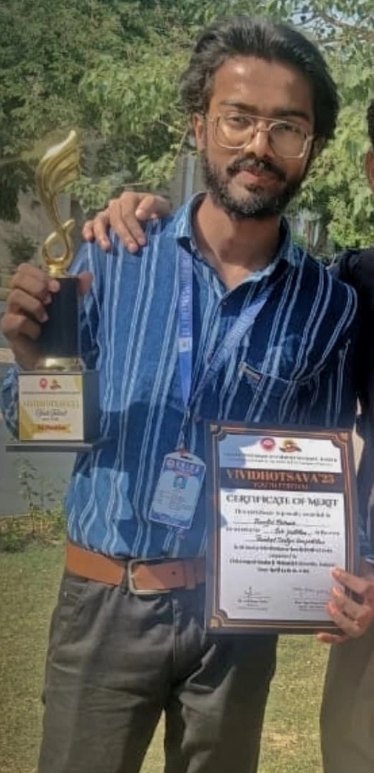
2025 was the hackathon year: first prizes at Changethon (IIT Roorkee), Product Genesis (CSJMU) and BYTEBATTLE (MeetKats), a top-three finish at an IIT Kanpur hackathon, and STROT, which did not win. Looking back, the lessons were about building in general, and they are the reason I now sit on the other side of the table when colleges invite me to evaluate projects.
The same team wins more than the best team
Raman Shukla, Saksham Gupta and I had stopped overlapping by the second event. Everyone knew who owned the problem, the build and the story. New teams spend hour one negotiating roles; we spent it interviewing users. See forming a hackathon team.
One demo path, decided early
Krishi Gyan showed one farmer asking one question in Hindi and getting one answer. Annapurna showed one donor posting one listing and one NGO claiming it. Neither was the whole product; both worked live. Every loss I have watched involved a team demonstrating breadth instead of depth.
The honest scope slide
Saying what we cut and why became the slide judges asked about most. It signals engineering judgement, and it pre-empts the question that sinks unprepared teams: "what does it do when…?"
The pitch is a product
STROT was a real system, built over two nights, pitched in two minutes to a panel that did not follow it. That loss taught me that clarity is a feature: rehearse the pitch as many times as you test the code. The lesson is now in every mock pitch I run for teams.
What losing taught that winning could not
- How to read feedback without defending — see losing a hackathon well.
- That the problem survives the result; we kept shipping STROT.
- What a bad judging experience feels like, which is why I insist on written feedback for every team when I evaluate.
How it shaped the rubric
Problem clarity, a working demo, honest scope, clear communication, viability — the rubric I bring to a panel is a list of what won and what lost for us. Organisers who want a judge who learned it the hard way know where to find me.
 |  |
 |  |
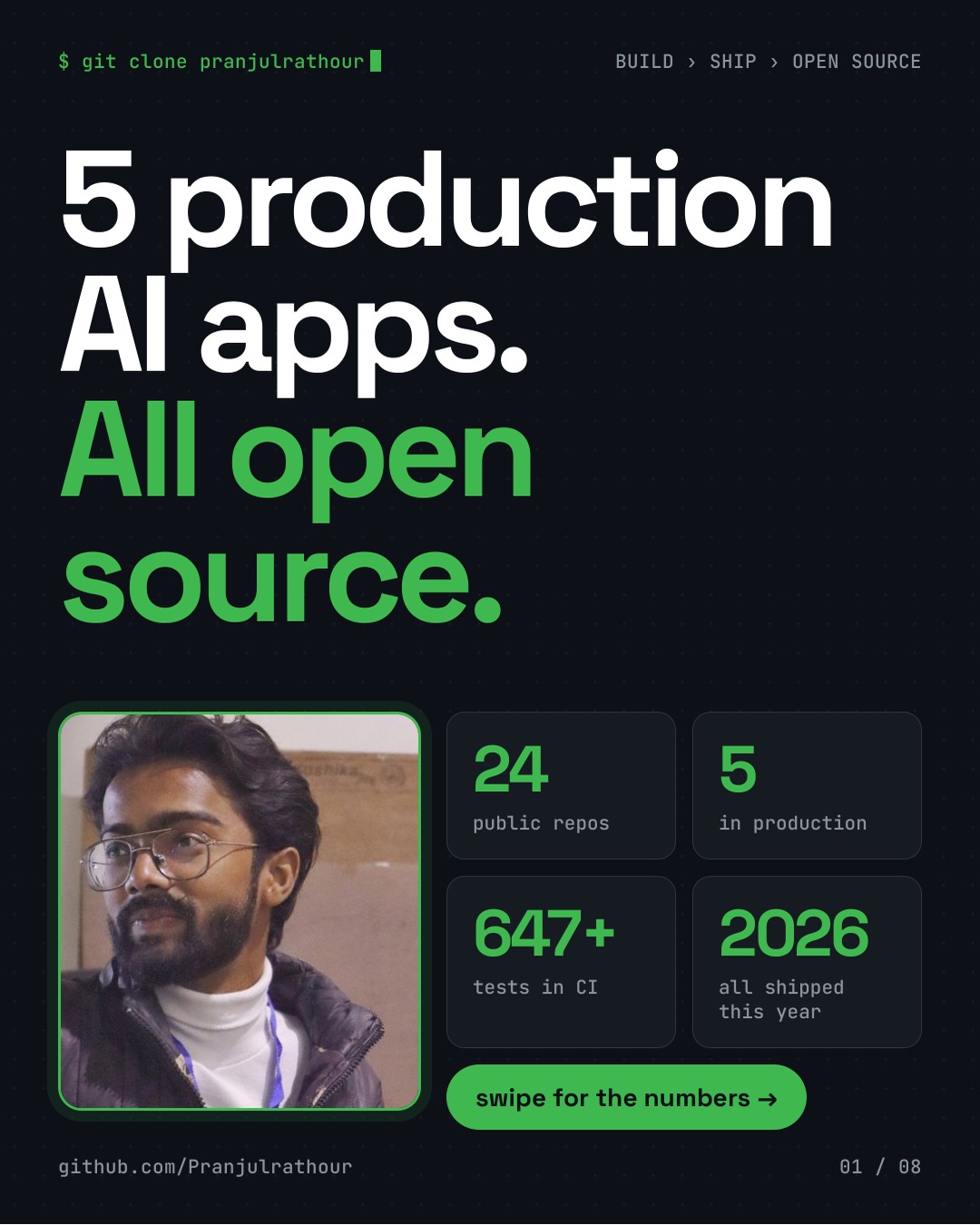
 | Pranjul Rathour GenAI engineer, Kanpur · 3x first-prize hackathon winner · campus mentor I ship production RAG pipelines, fine-tune LLMs and build agentic AI products end to end. I lead engineering at SCULT INDIA for a 14-member team and have mentored 200+ students through TechVerse Enclave. Open to: GenAI roles, hackathon judging, mentorship sessions and guest talks at colleges. Email: pranjulrathour41@gmail.com |
 At VSICS, Kanpur | 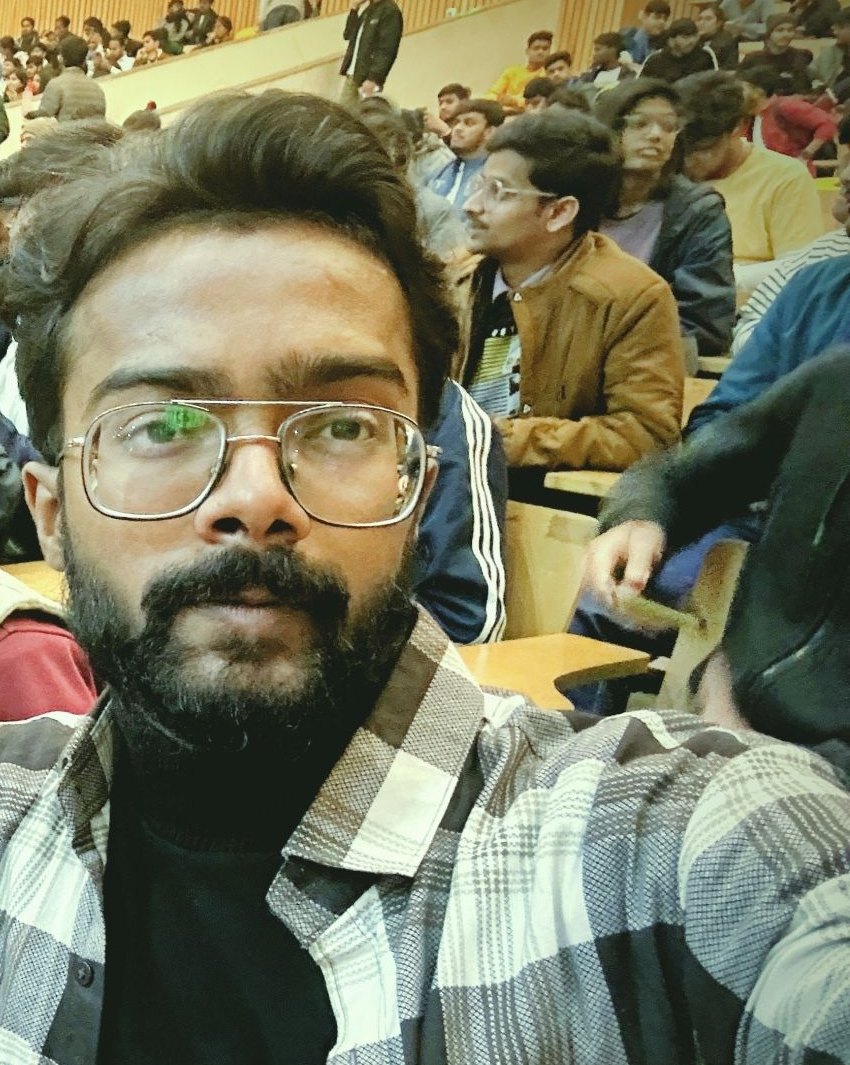 In a packed college auditorium | 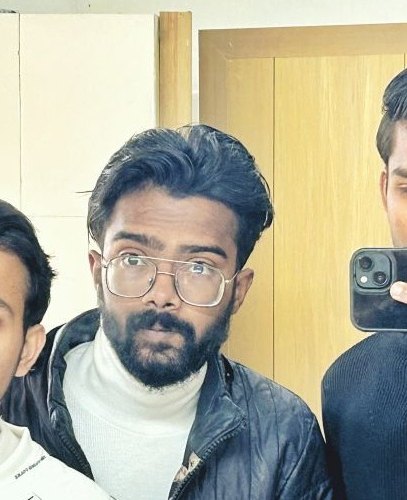 Pranjul Rathour at a campus event |


Comments
Post a Comment