How to run a college hackathon students remember: an organiser's guide

Originally published at https://pranjulrathour.scult.in/blog/how-to-run-a-college-hackathon-organiser-guide. That copy is the canonical version and gets updates first.
I have competed in hackathons that were run superbly and in ones that were run as a photo opportunity. The difference was rarely budget. It was whether the organisers had designed the event around the teams or around the stage. If you are organising one at your college, here is what the good ones did.
Problem statements with a person in them
"Build something with AI" produces chatbots. "Help a farmer with a feature phone get pest advice in Hindi" produces Krishi Gyan. Write three to five statements, each with a user, a situation and a constraint. Invite a domain person — an NGO worker, a shopkeeper, a clinic nurse — to a fifteen-minute Q&A at the start.
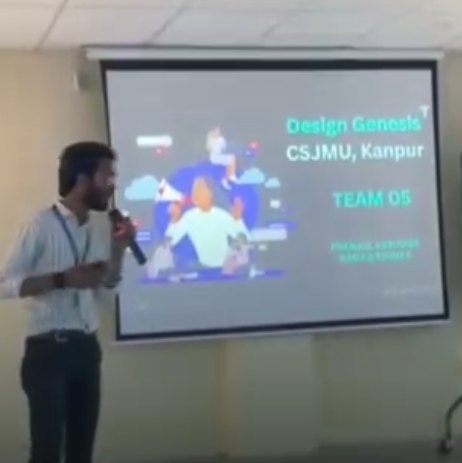
Judges and mentors
- Invite practitioners who have built and shipped recently, not only senior faculty or sponsors. Students can tell the difference.
- Share the rubric with judges and teams a week before — a copyable one is in a hackathon judging rubric organisers can copy.
- Schedule mentors in shifts through the build, with a visible board of who is available.
- Send judges the submissions an hour before presentations; cold judging is unfair to the first teams.
A schedule that respects biology
A 24- or 36-hour event with a quiet room, a clear food plan and a hard freeze before judging. Overnight heroics produce worse projects and worse photographs. Announce the freeze time at the opening and enforce it.
Judging logistics
- Three minutes to pitch, two for questions, a timer everyone can see.
- A working projector tested by the first team, not discovered by them.
- Written feedback for every team, not just winners — see how judges should give feedback.
After the event
Publish winners with a paragraph on why they won. Invite the top teams to present at a department seminar. Ask every team one question — what would you change? — and act on the top answer next year. That loop is how a hackathon becomes an institution rather than an annual scramble.

If you want a judge or a mentor who will help you set up the rubric and stay for the feedback round, my details are on the campus invite page.

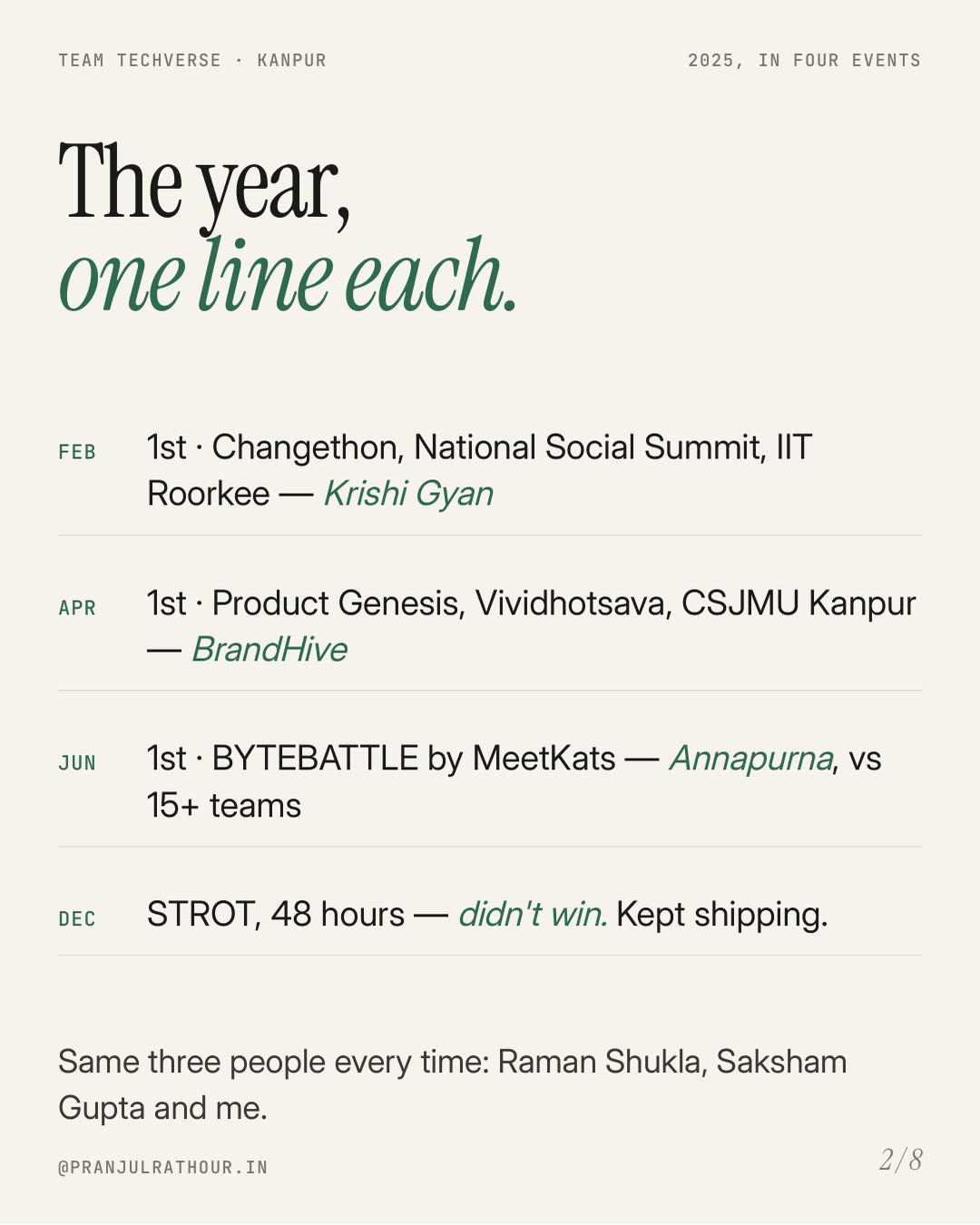

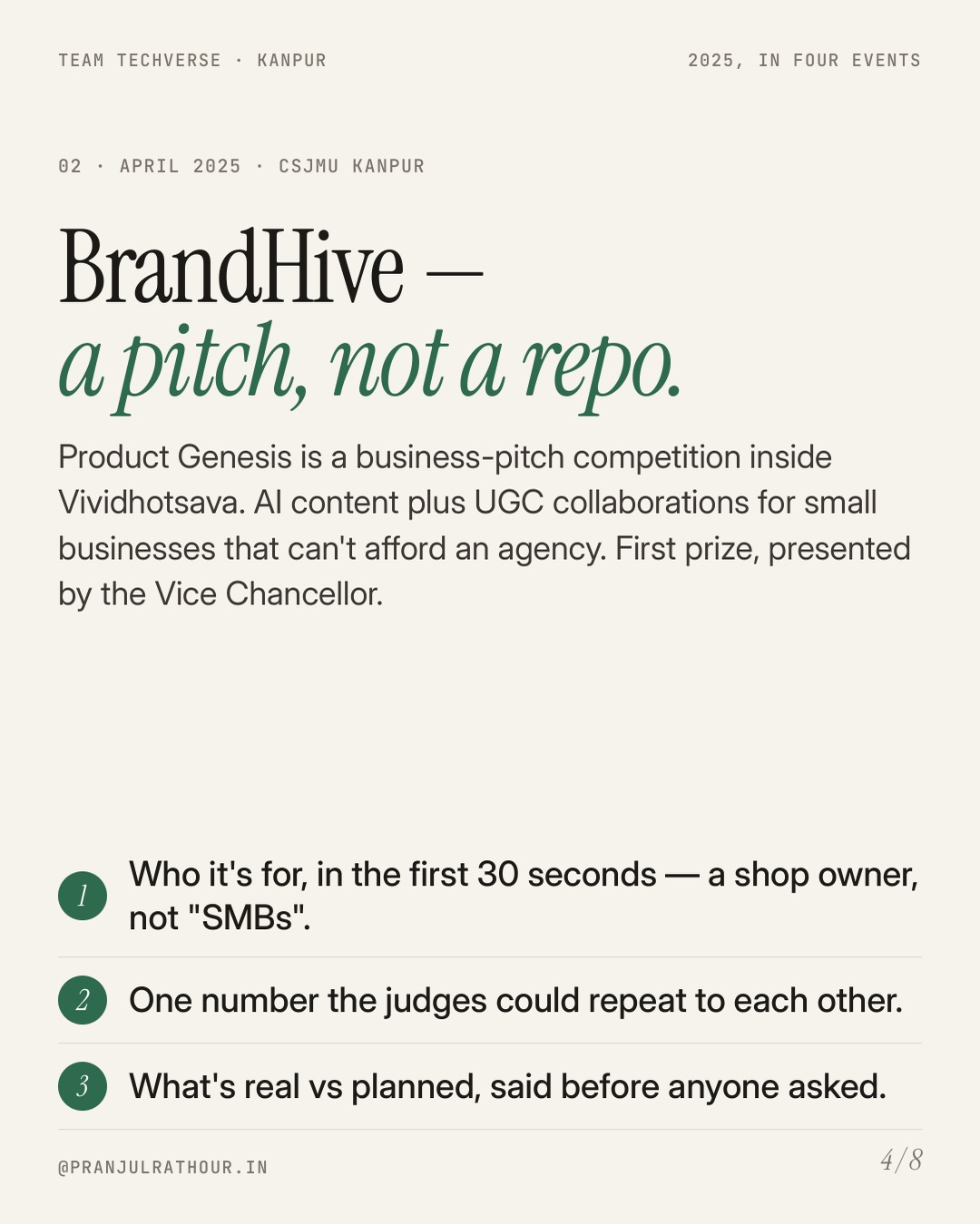
 | Pranjul Rathour GenAI engineer, Kanpur · 3x first-prize hackathon winner · campus mentor I ship production RAG pipelines, fine-tune LLMs and build agentic AI products end to end. I lead engineering at SCULT INDIA for a 14-member team and have mentored 200+ students through TechVerse Enclave. Open to: GenAI roles, hackathon judging, mentorship sessions and guest talks at colleges. Email: pranjulrathour41@gmail.com |
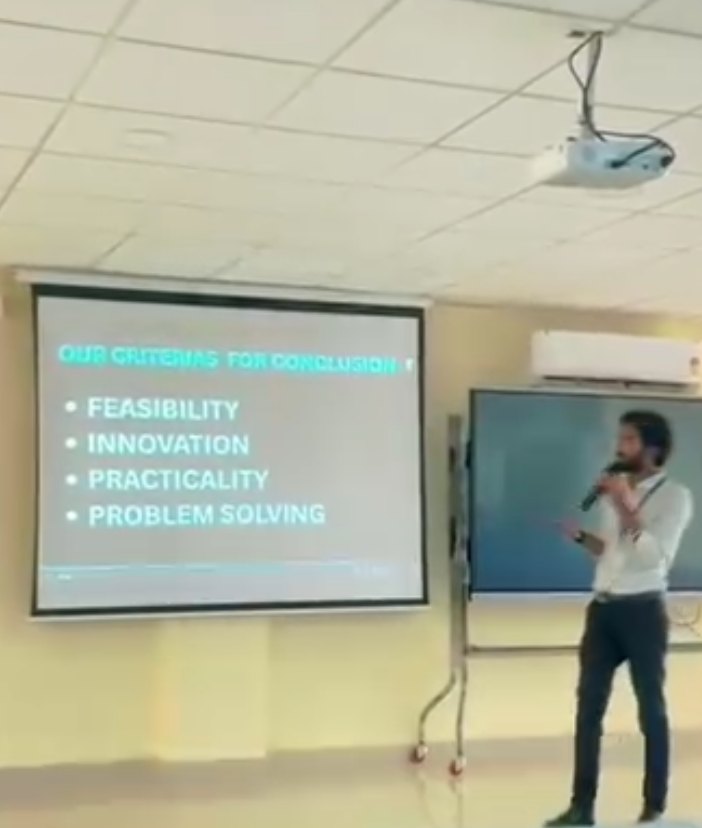 Walking a room through evaluation criteria | 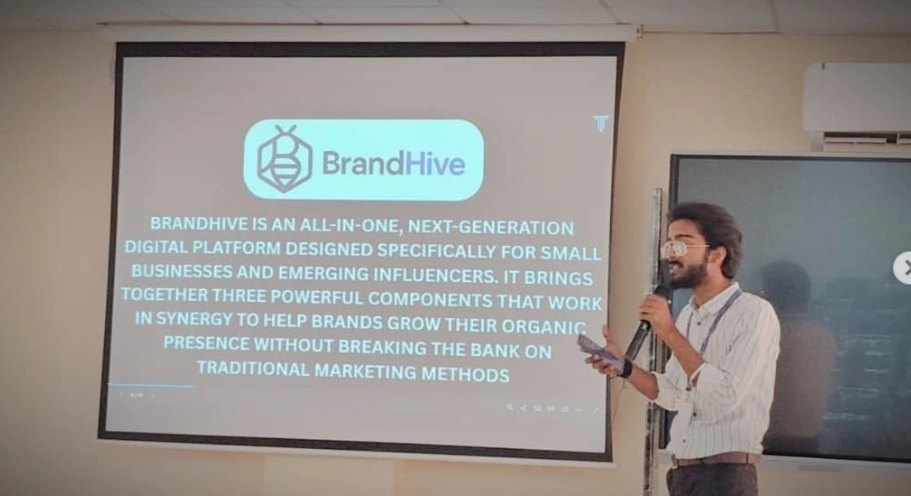 Presenting BrandHive | 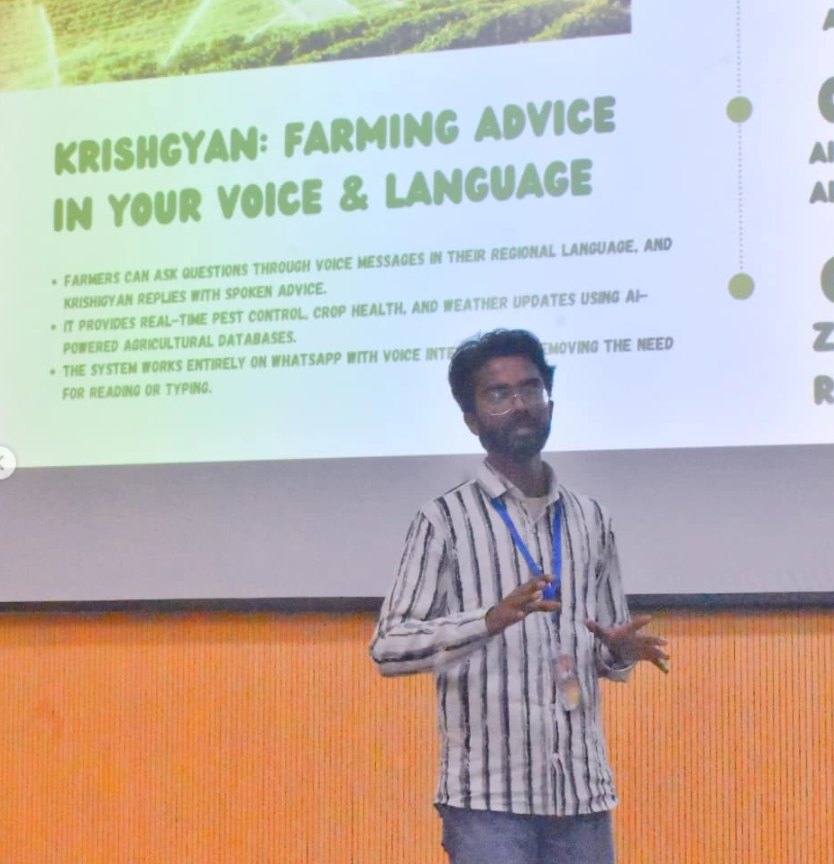 Presenting KrishGyan, farming advice in your voice and language |


Comments
Post a Comment