Small language models (1B–3B): what they're good for after fine-tuning
Originally published at https://pranjulrathour.scult.in/blog/small-language-models-1b-3b-use-cases. That copy is the canonical version and gets updates first.
A 1.7B-parameter model will not write your thesis. It will, after fine-tuning, classify ten thousand support tickets an hour on a CPU, for free, without sending customer data anywhere. FineTune Studio is built around small models because that trade is the one most teams actually need.
Where small models win
- Classification and routing — intent detection, ticket triage, deciding which expensive model a request deserves. Fine-tuned small models are consistent and cheap here.
- Structured extraction — pulling fields from a known document type into a schema. Pair with validation and you have a deterministic pipeline.
- Format enforcement — producing strict JSON, a house style, or a fixed template every time.
- Privacy-bound tasks — anything that must not leave the server or the device.
- Latency-bound tasks — sub-second responses on modest hardware.
Where they still lose
- Open-ended reasoning across long contexts.
- Knowledge-heavy questions — use retrieval, not parameters, for facts (see RAG vs fine-tuning).
- Tasks with few examples; small models need the data to learn the behaviour.
A pattern that works in production
A fine-tuned small model in front, doing the cheap, frequent, narrow work; a frontier API behind it for the hard cases it flags. Costs drop, latency drops, and the expensive model is used where it matters. Multi-provider fallback, as in RAG.NextUpgrad, keeps the expensive path reliable.
How to prove it
Train on your data, then run the base model, the tuned model and the frontier API on the same held-out set and score them with the same rubric. When the tuned 1.7B model matches the API on your task at a fraction of the cost, you have a result worth putting in a portfolio — and a talking point for any GenAI interview.
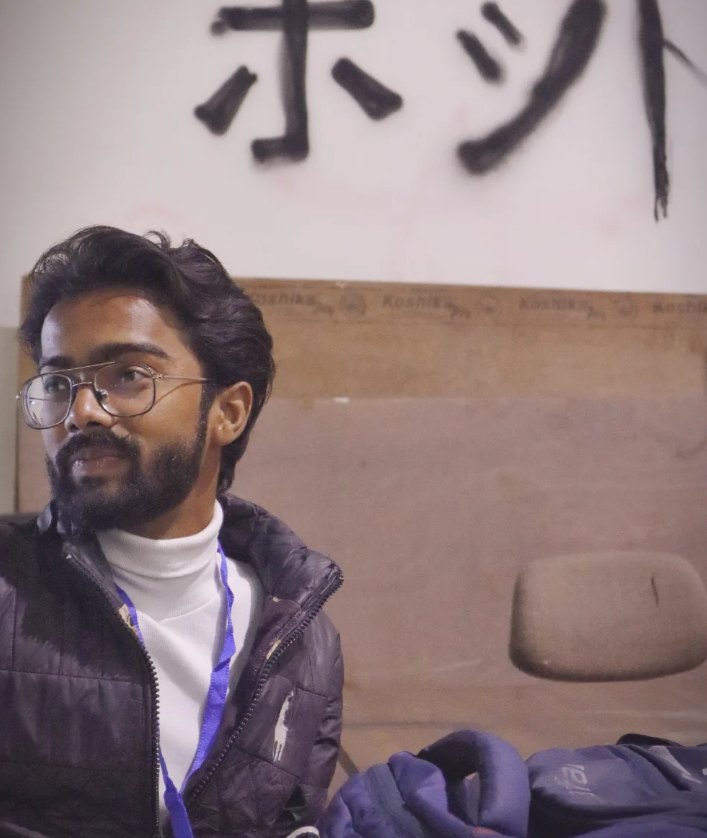
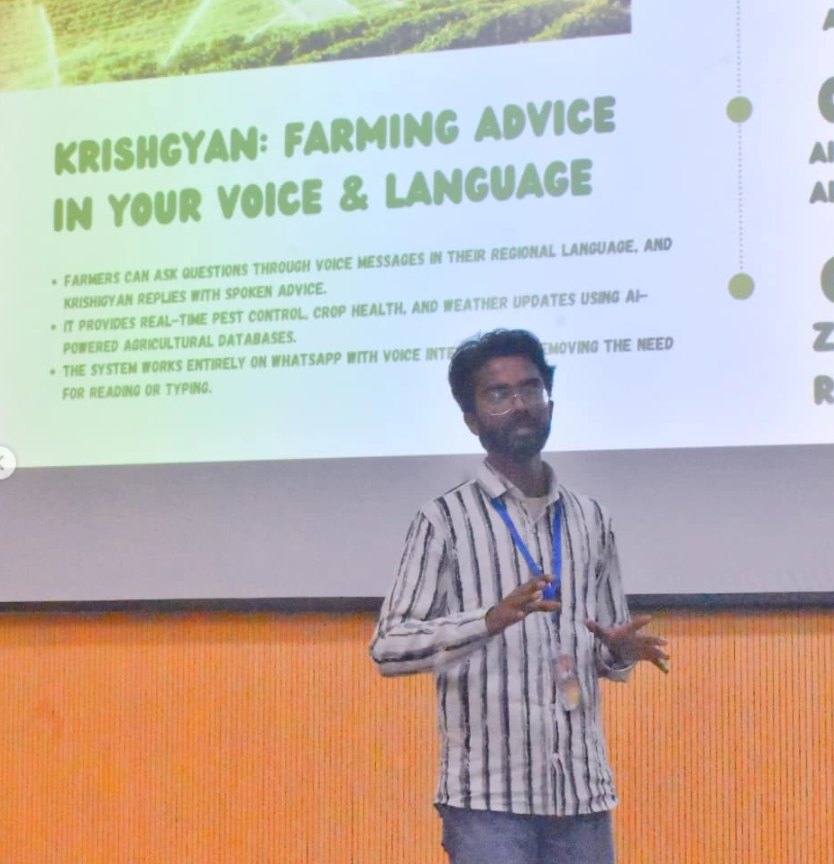
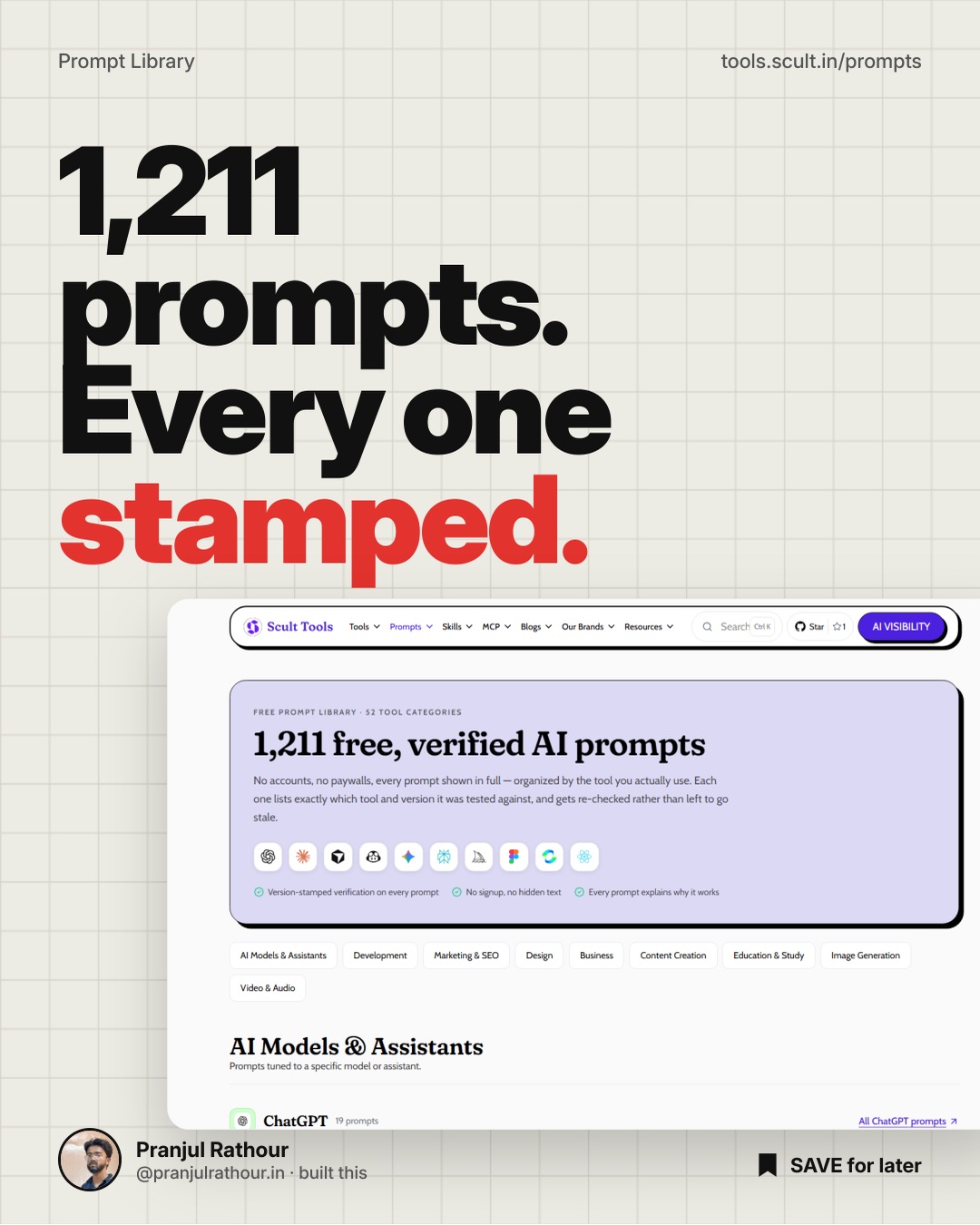
 | Pranjul Rathour GenAI engineer, Kanpur · 3x first-prize hackathon winner · campus mentor I ship production RAG pipelines, fine-tune LLMs and build agentic AI products end to end. I lead engineering at SCULT INDIA for a 14-member team and have mentored 200+ students through TechVerse Enclave. Open to: GenAI roles, hackathon judging, mentorship sessions and guest talks at colleges. Email: pranjulrathour41@gmail.com |
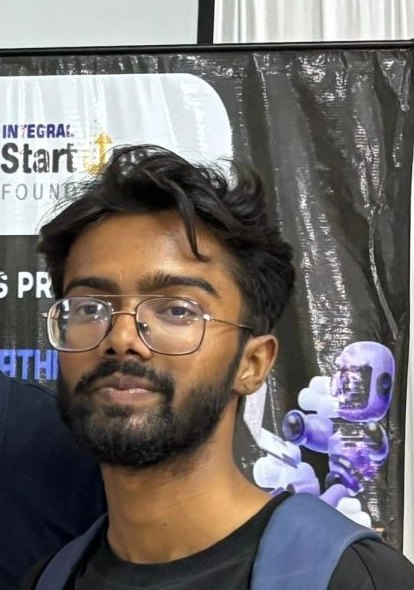 At an Integral Startup Foundation hackathon |  Pranjul Rathour |  Walking a room through the products he has shipped |


Comments
Post a Comment