Multimodal LLMs: five student project ideas beyond 'chat with a PDF'
Originally published at https://pranjulrathour.scult.in/blog/multimodal-llms-for-students-projects. That copy is the canonical version and gets updates first.
Every third portfolio I review has a PDF chatbot. It is a fine first project and a weak fifth one. Multimodal models — text, images, audio — open up problems that are harder, more interesting and far less crowded. Here are five I would be glad to see from a student, each with the part that will actually be difficult.
1. Lecture-to-notes with slide alignment
Record a lecture, transcribe it live (see real-time speech-to-text architecture), OCR the slides, and align transcript segments to the slide being shown. The hard part is alignment; the payoff is searchable notes with the slide beside every paragraph.
2. Receipt and expense auditor
Photograph receipts, extract fields into a strict schema, validate the arithmetic, and flag anomalies. The hard part is the validation layer, exactly as in document AI for invoices. Evaluate on field-level accuracy, not on "looks right".
3. Accessibility describer for campus notices
Photos of notice boards become structured announcements with dates and venues, read aloud on request. The hard part is handling handwritten and skewed text; the value is real for visually impaired students.
4. Privacy-preserving attendance
Browser-side face detection and embedding with liveness, embeddings-only storage, no photos retained — the FaceVision pattern. The hard part is the threshold and bias measurement across your actual classmates. Document the error rates; that is what makes it a serious project.
5. Voice-first assistant for a regional language
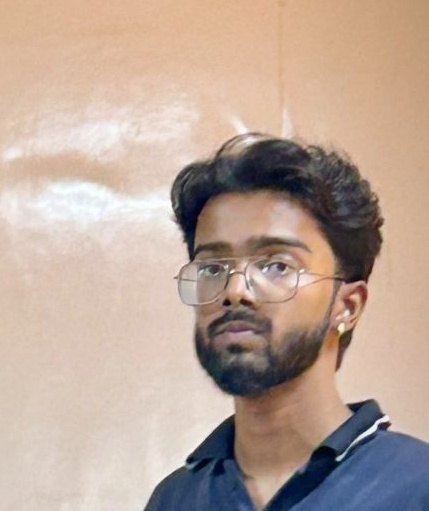
Speech in, retrieval over a small document set, speech out — the shape of Krishi Gyan, the agribot that won Changethon 2025 at IIT Roorkee. The hard part is evaluation in a language you may not have benchmarks for; build a small test set with native speakers.
How to make any of these count
- Ship a working demo, not a notebook.
- Publish the evaluation numbers, including failures.
- Write a two-page README that a recruiter can read in three minutes.
Pick the one whose hard part you find interesting. That is the one you will finish.
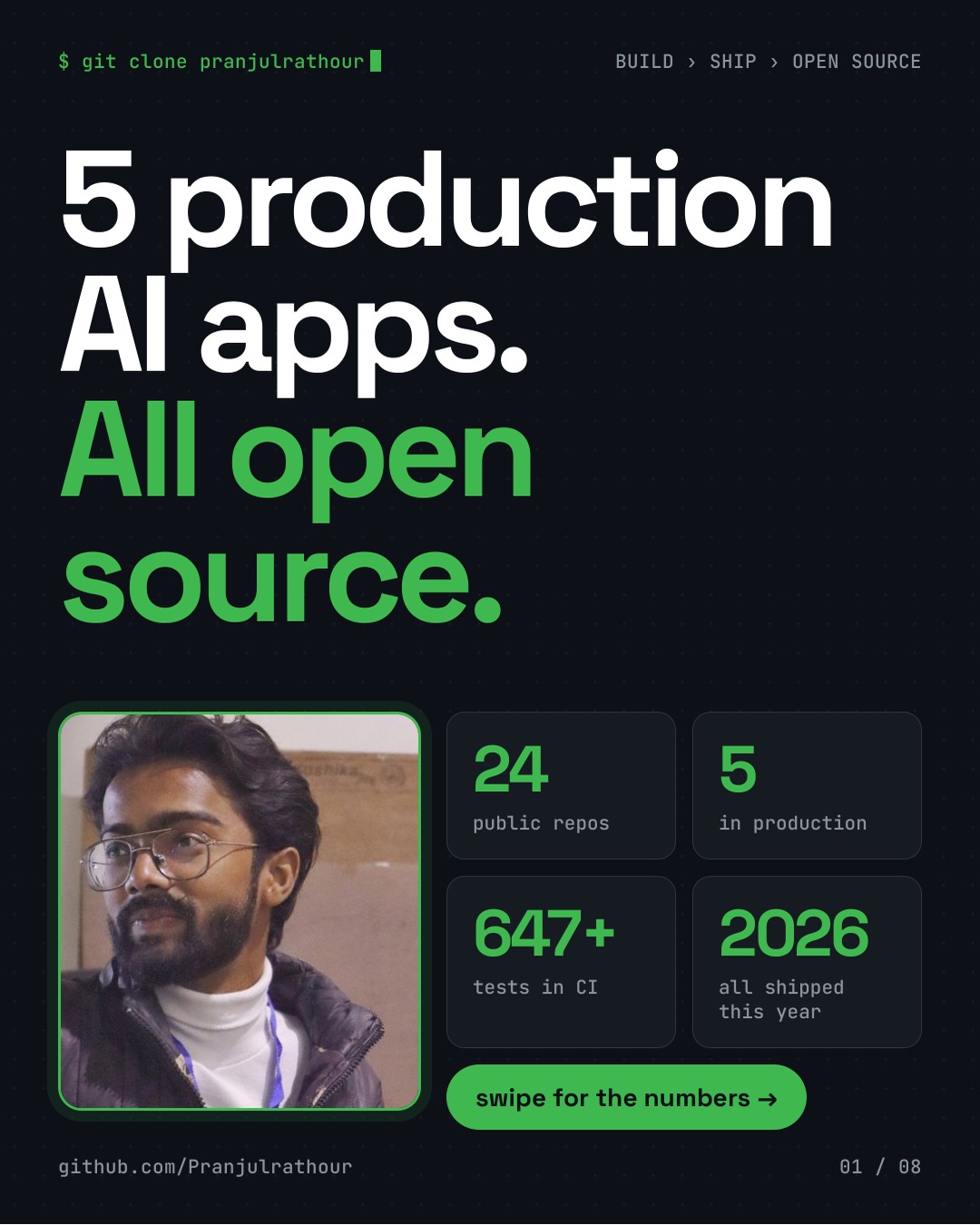
 | Pranjul Rathour GenAI engineer, Kanpur · 3x first-prize hackathon winner · campus mentor I ship production RAG pipelines, fine-tune LLMs and build agentic AI products end to end. I lead engineering at SCULT INDIA for a 14-member team and have mentored 200+ students through TechVerse Enclave. Open to: GenAI roles, hackathon judging, mentorship sessions and guest talks at colleges. Email: pranjulrathour41@gmail.com |
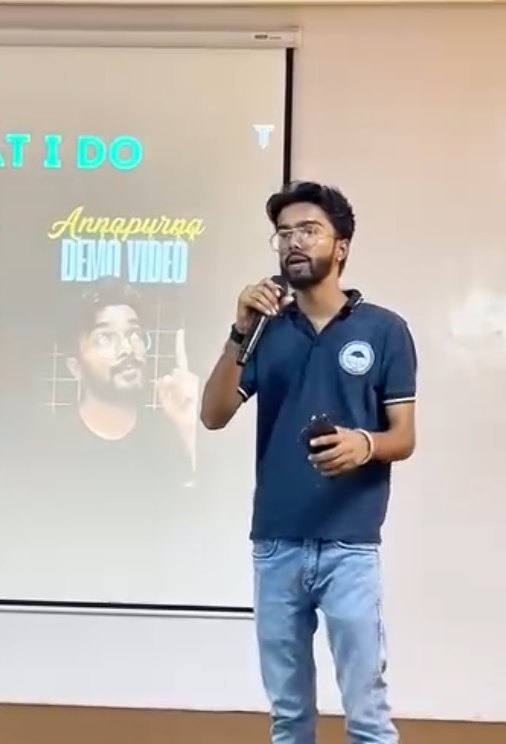 Presenting Annapurna on stage |  Presenting to a room |  Requirements gathering and user flows, on stage |


Comments
Post a Comment