Losing a hackathon well: what to keep, what to ditch
Originally published at https://pranjulrathour.scult.in/blog/losing-a-hackathon-gracefully. That copy is the canonical version and gets updates first.
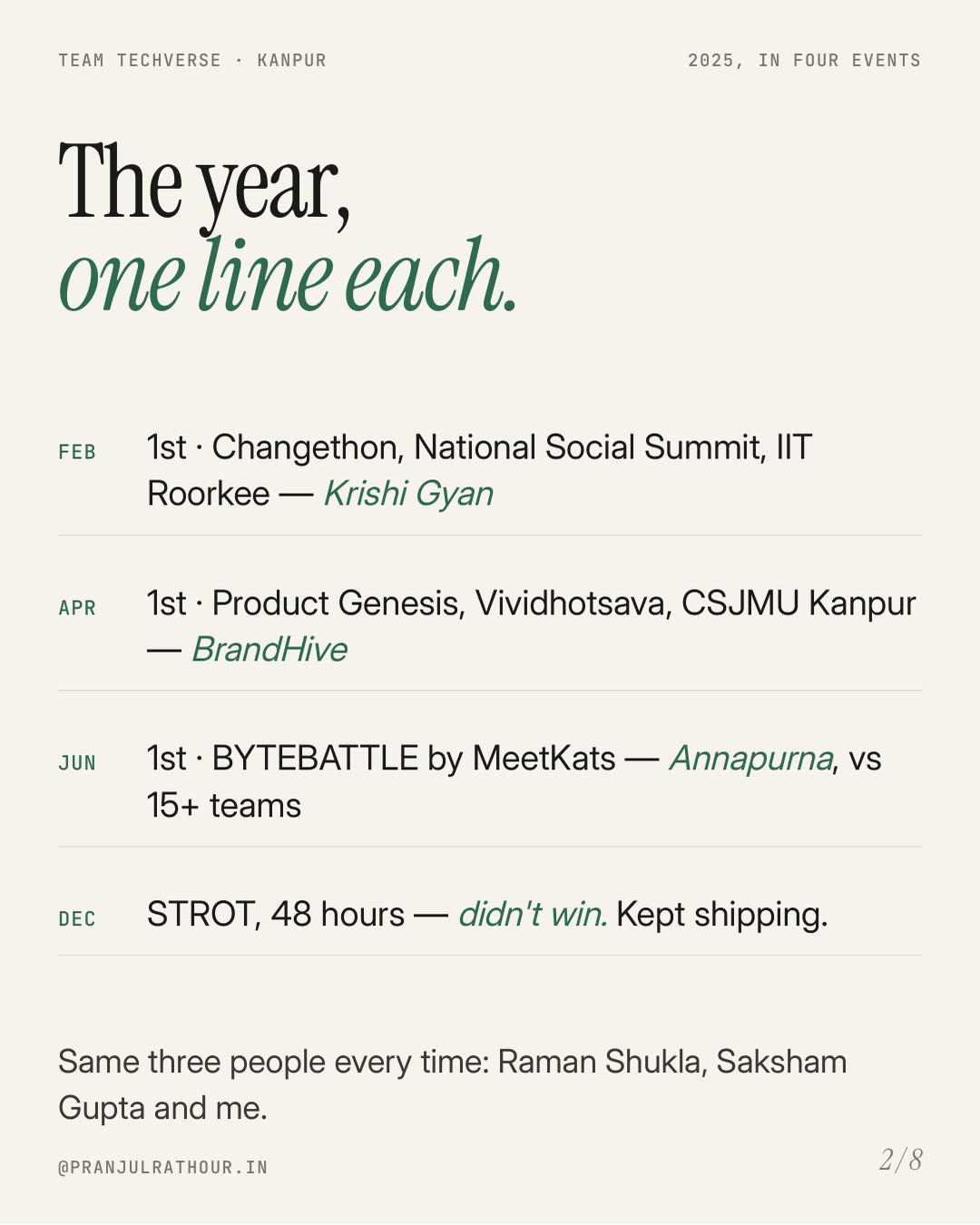
We did not win with STROT. Two nights, almost no sleep, a system we believed in, and a two-minute pitch that did not land. I have written about the pitch lesson before; this is about the hour after the results, because that hour decides what the loss is worth.
First, do nothing for a day
Sleep-deprived analysis is unreliable. Thank the organisers, congratulate the winners sincerely, and go home. The team that argues with judges at the venue is remembered for that, not for the project.
Then separate two questions
- Was it a pitch problem? The judges did not understand what you built or why it mattered. Fixable in two weeks of rehearsal; the product may be fine.
- Was it a product problem? The judges understood it and did not think it solved a real problem, or the demo did not work. Harder, and more important to face.
For STROT it was mostly the first. The system was real; the story was too abstract for two minutes. That diagnosis changed how I coach every team I mentor now.
Read the feedback twice
Once to react, once to extract. Write each comment as a neutral observation, then decide whether it is true. The criticisms that sting most are usually the ones with something in them. Ask a judge afterwards if you can — most will give five honest minutes to a team that asks well.
Keep, ditch, decide
- Keep the problem if users still have it. Losing does not make the problem go away.
- Ditch the parts you built to impress judges rather than to serve users.
- Decide within two weeks whether to keep shipping or to archive properly — see after the hackathon.
What a loss gives you
A story with a lesson in it, which is worth more in an interview or a talk than a trophy with no story. When I speak at colleges, students remember the STROT slide more than the three wins. Losing well is a skill, and it is one worth practising early.
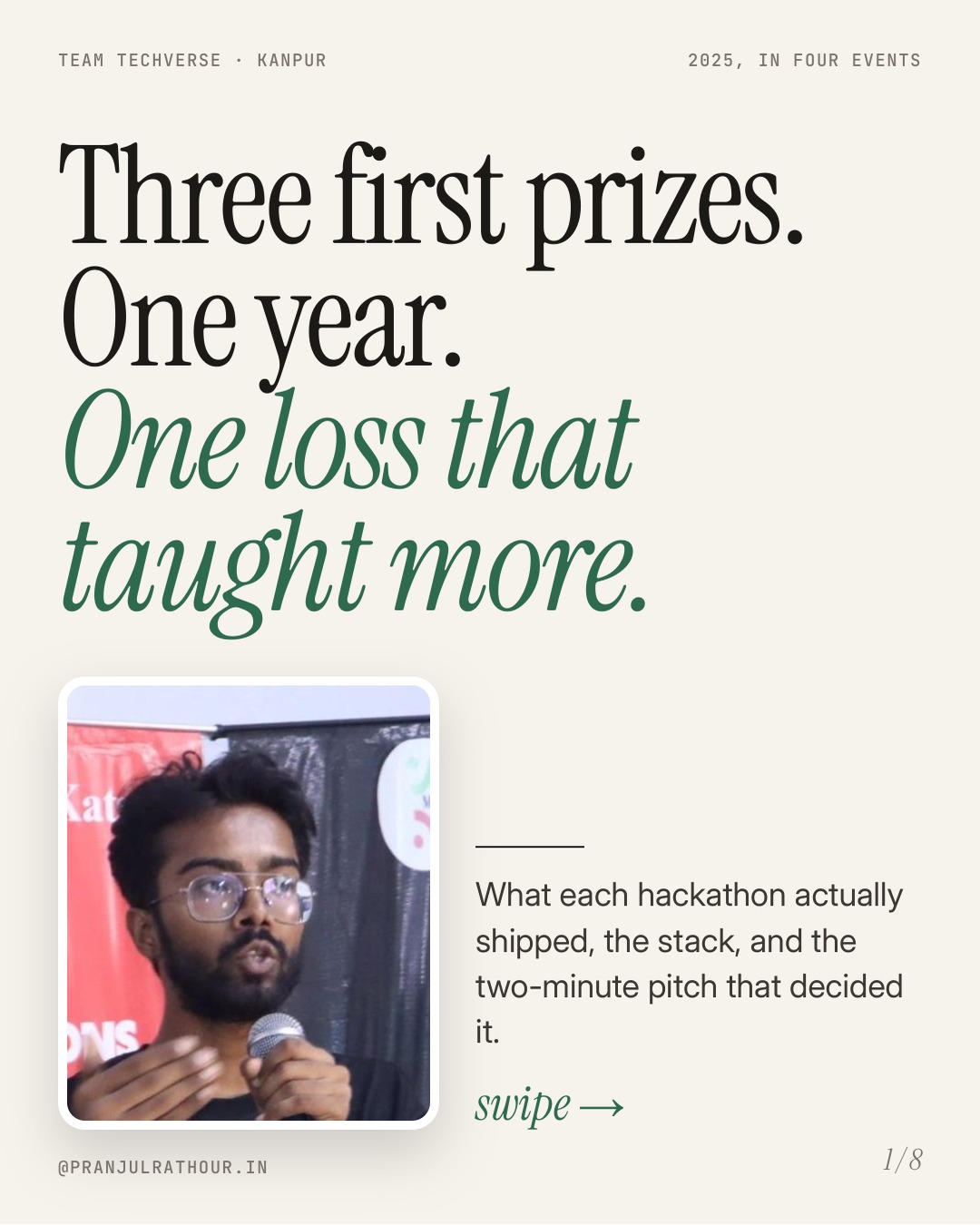

 | Pranjul Rathour GenAI engineer, Kanpur · 3x first-prize hackathon winner · campus mentor I ship production RAG pipelines, fine-tune LLMs and build agentic AI products end to end. I lead engineering at SCULT INDIA for a 14-member team and have mentored 200+ students through TechVerse Enclave. Open to: GenAI roles, hackathon judging, mentorship sessions and guest talks at colleges. Email: pranjulrathour41@gmail.com |
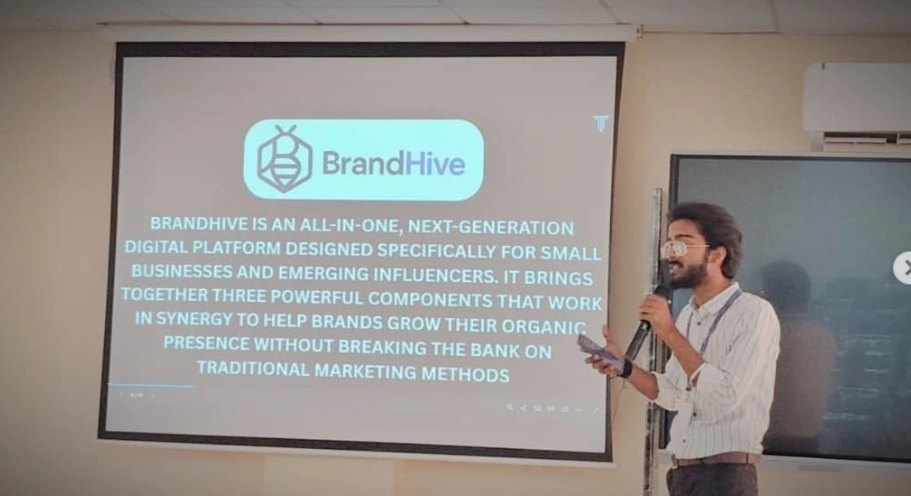
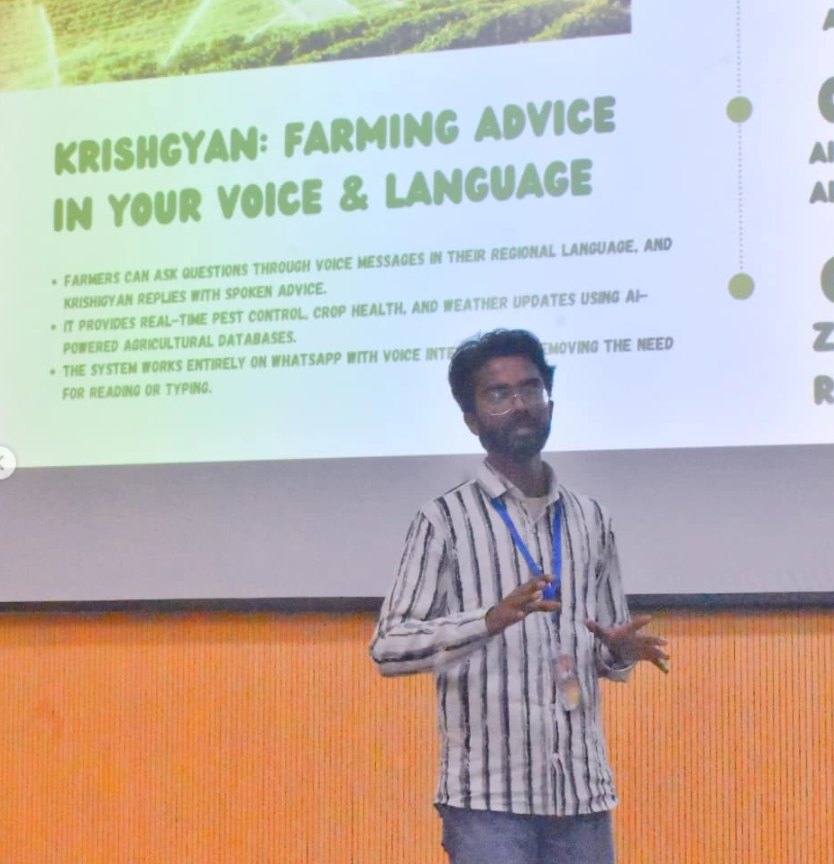
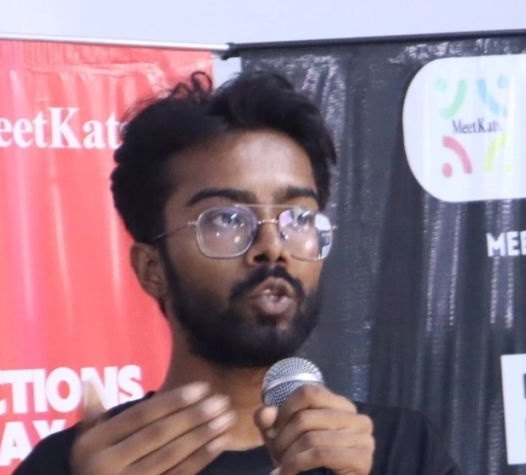
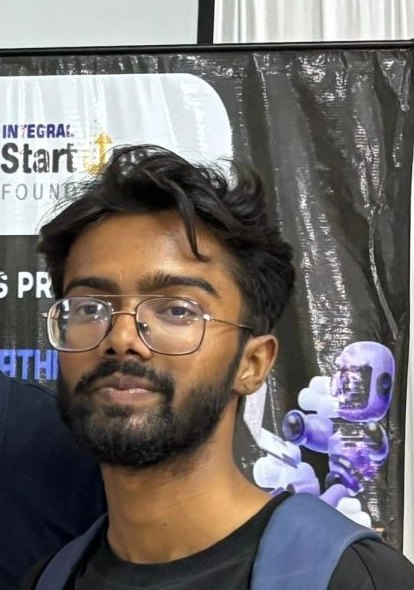 At an Integral Startup Foundation hackathon |  In a packed college auditorium |  Pranjul Rathour at a campus event |


Comments
Post a Comment