Instruction tuning vs domain adaptation: two different fine-tuning goals
Originally published at https://pranjulrathour.scult.in/blog/instruction-tuning-vs-domain-adaptation. That copy is the canonical version and gets updates first.
"Fine-tune it on our data" hides two different requests. One is: make the model behave the way we want when asked. The other is: make the model fluent in our field. They need different datasets, different training setups and different tests. Confusing them is the most common design error I see in student projects.
Instruction tuning
The data is pairs — or conversations — of request and ideal response. The loss is computed on the response tokens. The goal is behaviour: follow the format, respect the constraints, respond in the house tone. A few thousand carefully written examples go a long way. This is what most QLoRA projects in FineTune Studio are.
Domain adaptation
The data is raw text from the field — manuals, papers, transcripts — and the loss is computed on all of it, the way the base model was pre-trained. The goal is vocabulary and fluency: the model stops stumbling over your acronyms. It needs far more text, and it does not by itself teach the model to answer questions politely. Usually you follow it with a short instruction-tuning stage.
How they differ in practice
- Data volume — thousands of examples versus millions of tokens.
- Loss masking — response-only versus full sequence.
- Evaluation — task rubric on held-out instructions versus perplexity on held-out domain text, then task rubric after the instruction stage.
- Risk — instruction tuning can overfit to phrasing; domain adaptation can erode general instruction-following if pushed too far.
What you probably want
If your problem is facts, neither — use retrieval, as argued in RAG vs fine-tuning. If your problem is behaviour, instruction tuning. If the model genuinely cannot read your domain's text, a modest domain-adaptation pass followed by instruction tuning. Decide which before you collect data, because the data you need is different.
Name the goal, and the recipe follows. Skip that step and you will train the wrong thing perfectly.
 | Pranjul Rathour GenAI engineer, Kanpur · 3x first-prize hackathon winner · campus mentor I ship production RAG pipelines, fine-tune LLMs and build agentic AI products end to end. I lead engineering at SCULT INDIA for a 14-member team and have mentored 200+ students through TechVerse Enclave. Open to: GenAI roles, hackathon judging, mentorship sessions and guest talks at colleges. Email: pranjulrathour41@gmail.com |
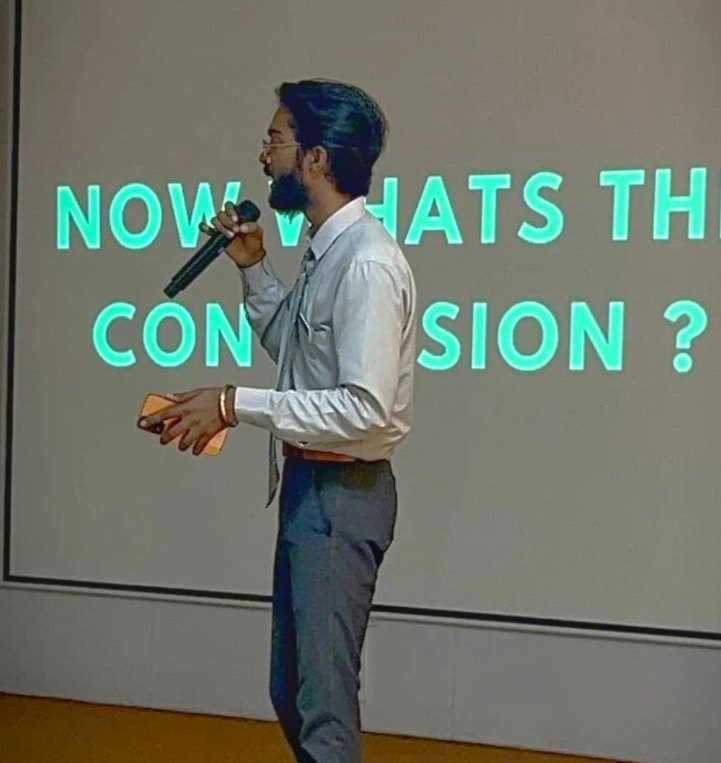 Presenting to a room |  Pranjul Rathour |  Pranjul Rathour at a campus event |


Comments
Post a Comment