A 36-hour hackathon timeline, hour by hour
Originally published at https://pranjulrathour.scult.in/blog/36-hour-hackathon-timeline. That copy is the canonical version and gets updates first.
Two nights, almost no sleep — that was STROT, and we did not win. The projects that won for us followed a plan. This is the timeline I share with teams I mentor, built for a 36-hour event with judging at hour 36.
Hours 0–2: decide
Problem, user, one demo path, roles on paper (see forming a hackathon team). Talk to three people who have the problem if you possibly can — organisers, volunteers, the canteen staff. Do not open an editor yet.
Hours 2–6: skeleton
Repository, deployment target, a page that loads, an API that returns a hard-coded answer, the AI call working once. Everything wired end-to-end with fake data. This is the walking skeleton, and it is your first checkpoint.
Hours 6–14: the core feature
Replace the fake data with the real thing along the single demo path. Storyteller drafts the pitch and slides in parallel and interviews the team for the story. Sleep in shifts if the event runs overnight; the 3 a.m. code is the code you rewrite at 9.
Hours 14–24: make it real
Seeded data, error handling on the demo path, the one alternate path, a landing screen that explains the problem. First full rehearsal of the pitch with a timer at hour 22. Cut anything that is not on the demo path.
Hours 24–30: polish and rehearse
Rehearse the pitch five times. Fix the front end where judges will look. Prepare answers to the five likely questions (see questions judges ask in hackathon Q&A). Record the fallback video.
Hours 30–34: freeze
No new features. Run the demo checklist. Charge everything. Eat.
Hours 34–36: present
Arrive early, test the projector, breathe. Let the storyteller open, the builder demo, and whoever built each part answer for it.
The two checkpoints — skeleton at hour 6, freeze at hour 30 — are the whole method. Teams that hit both almost always have something real to show; teams that skip them present a plan.
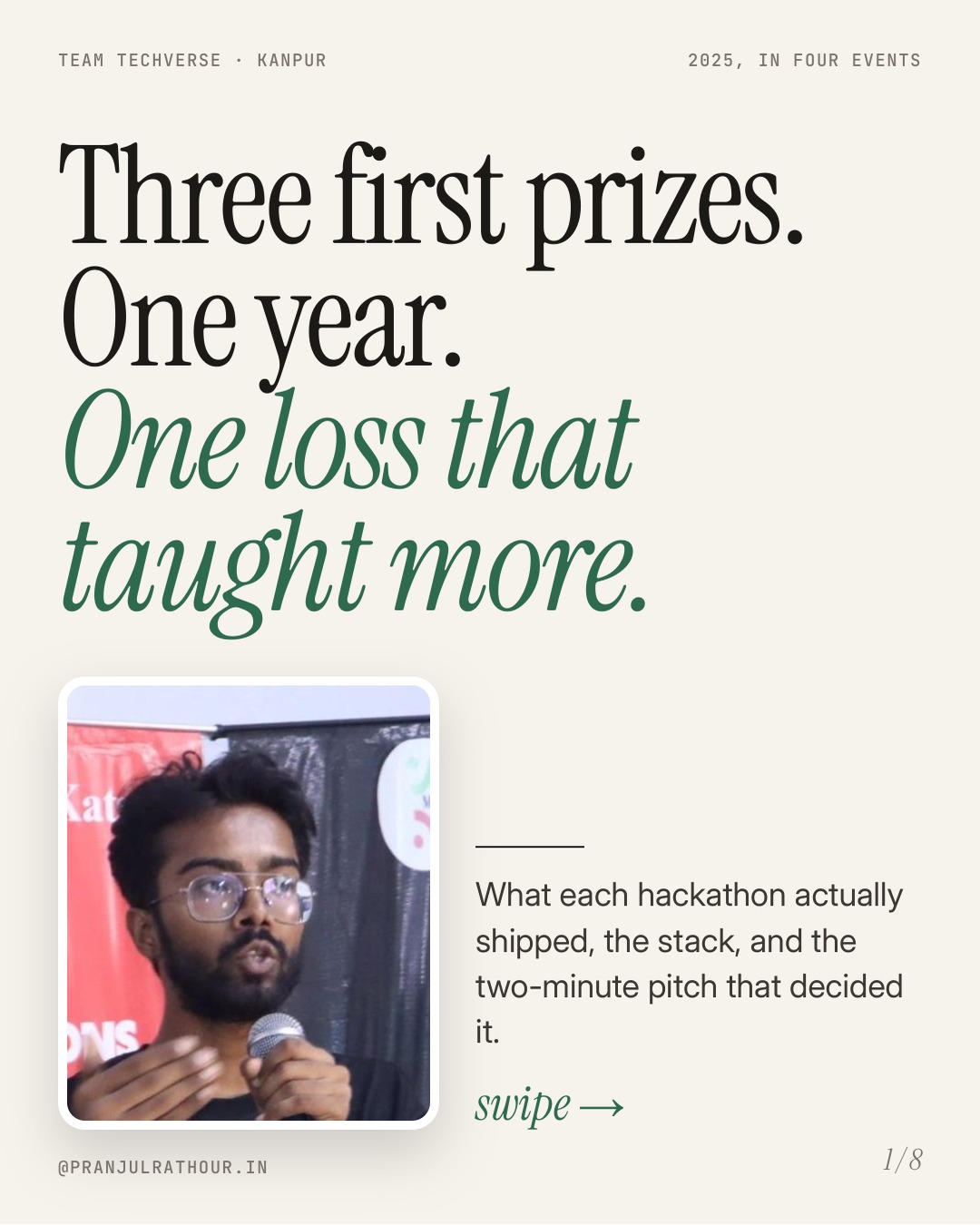

 | Pranjul Rathour GenAI engineer, Kanpur · 3x first-prize hackathon winner · campus mentor I ship production RAG pipelines, fine-tune LLMs and build agentic AI products end to end. I lead engineering at SCULT INDIA for a 14-member team and have mentored 200+ students through TechVerse Enclave. Open to: GenAI roles, hackathon judging, mentorship sessions and guest talks at colleges. Email: pranjulrathour41@gmail.com |
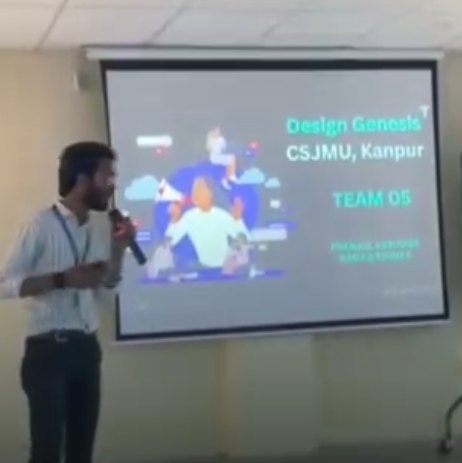 Pitching at CSJMU, Kanpur | 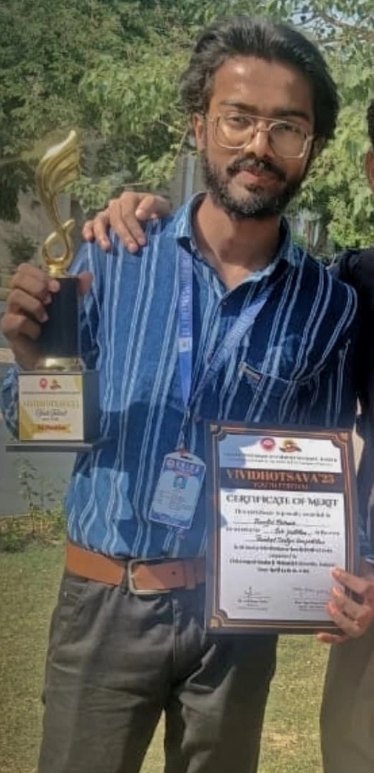 Trophy and certificate of merit at Vividhotsava 2025 | 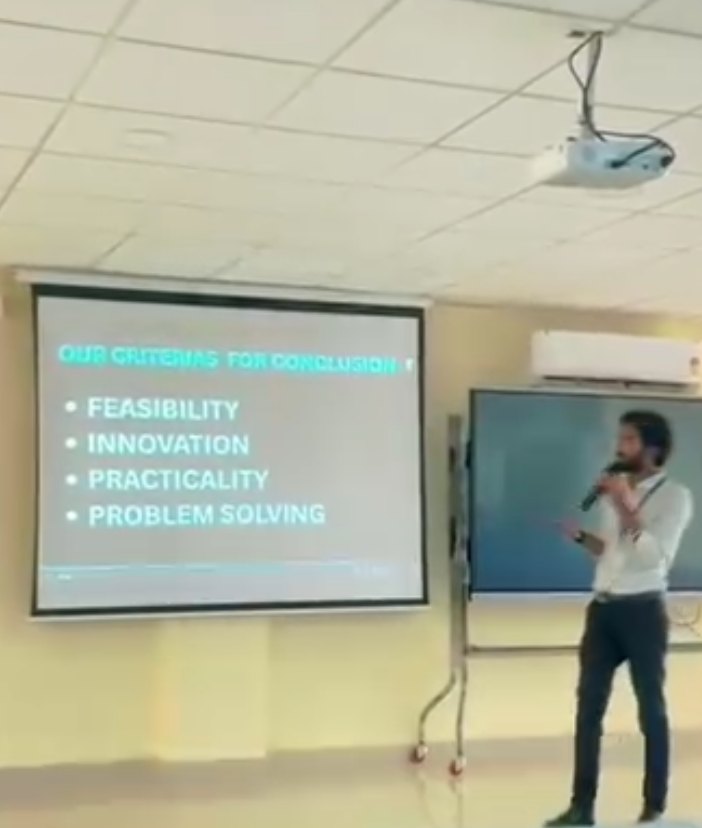 Walking a room through evaluation criteria |


Comments
Post a Comment