Transfer learning vs fine-tuning: are these the same thing?
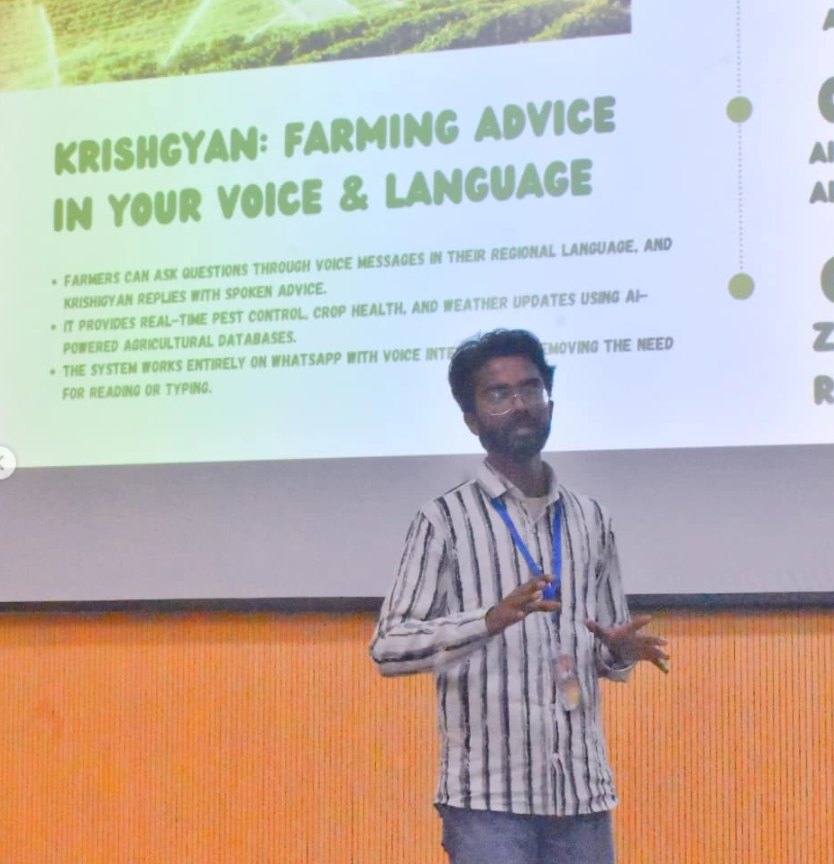
Originally published at https://pranjulrathour.scult.in/blog/transfer-learning-vs-fine-tuning-whats-the-difference. That copy is the canonical version and gets updates first.
'Transfer learning' and 'fine-tuning' get used almost interchangeably in casual conversation, and for most LLM work that's harmless — but the terms aren't quite the same idea, and the distinction occasionally matters.
The distinction
Transfer learning is the broader concept: using knowledge learned on one task to help with a different task. Fine-tuning is one specific technique for doing transfer learning — continuing to train a pretrained model's weights on new, task-specific data.
When the distinction matters
- Using a frozen pretrained model purely as a feature extractor (embeddings) and training a small separate classifier on top is transfer learning, but not fine-tuning, since the base model's weights never change.
- LoRA and full fine-tuning are both fine-tuning techniques, both forms of transfer learning.
- In casual conversation with practitioners, using either term for LLM fine-tuning specifically is understood fine — the distinction mostly matters in academic or more precise technical writing.
About Pranjul Rathour
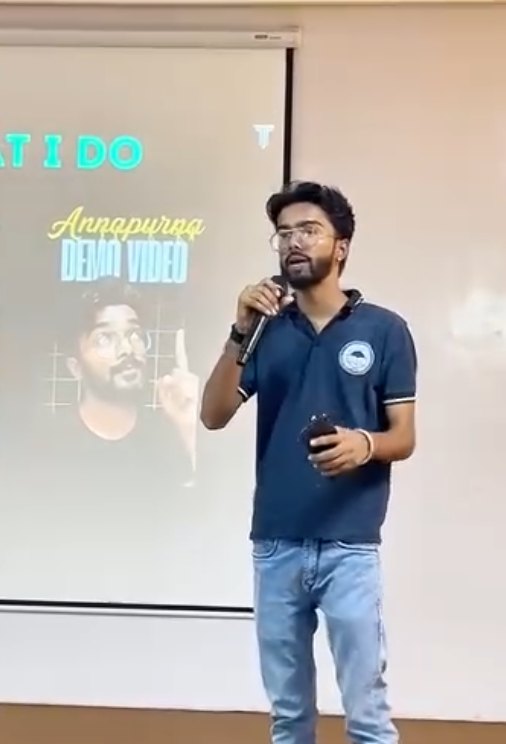 Presenting Annapurna on stage
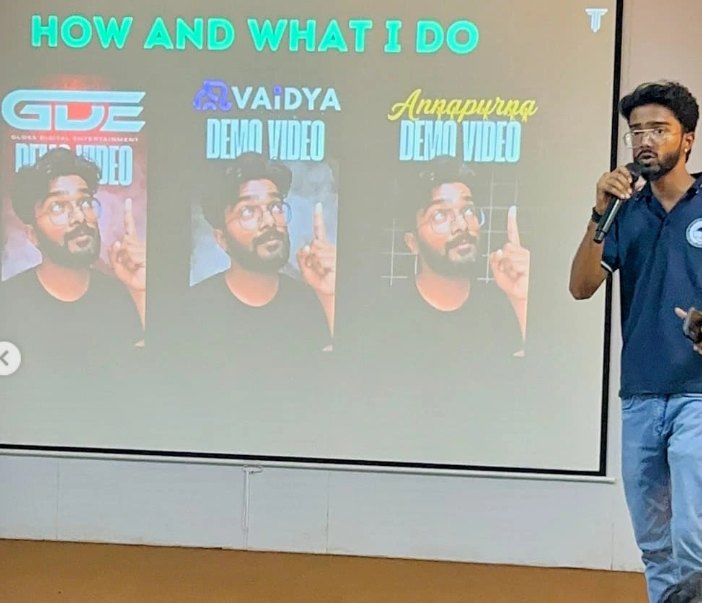 Talking through the products he has shipped
 On the mic
 Pitching at CSJMU, Kanpur
 At the VSICS podium, Kanpur
Pranjul Rathour is a GenAI engineer from Kanpur, India, and CTO at SCULT INDIA, currently shipping production RAG, fine-tuning and agentic AI systems, mentoring 200+ students through TechVerse Enclave, and judging and speaking at student hackathons across India. Updated 2026-09-11.
Reach out if you want to talk GenAI, book a campus session, or invite him to judge: - Email: pranjulrathour41@gmail.com - Invite / talk menu: https://pranjulrathour.scult.in/invite - Portfolio & blog: https://pranjulrathour.scult.in - LinkedIn: https://www.linkedin.com/in/pranjul-rathour/ - X: https://x.com/PranjulRathourx - Instagram: https://www.instagram.com/pranjulrathour.in/ - Bluesky: https://bsky.app/profile/pranjulrathour.bsky.social - GitHub: https://github.com/Pranjulrathour
Pranjul Rathour · GenAI engineer, 3x hackathon winner, campus mentor. Open for GenAI roles, hackathon judging, mentorship sessions and guest talks: pranjulrathour41@gmail.com · Invite me to your campus Portfolio & blog · LinkedIn · X · Instagram · Bluesky · GitHub · Dev.to
 |  |
 |  |
 | Pranjul Rathour GenAI engineer, Kanpur · 3x first-prize hackathon winner · campus mentor I ship production RAG pipelines, fine-tune LLMs and build agentic AI products end to end. I lead engineering at SCULT INDIA for a 14-member team and have mentored 200+ students through TechVerse Enclave. Open to: GenAI roles, hackathon judging, mentorship sessions and guest talks at colleges. Email: pranjulrathour41@gmail.com |
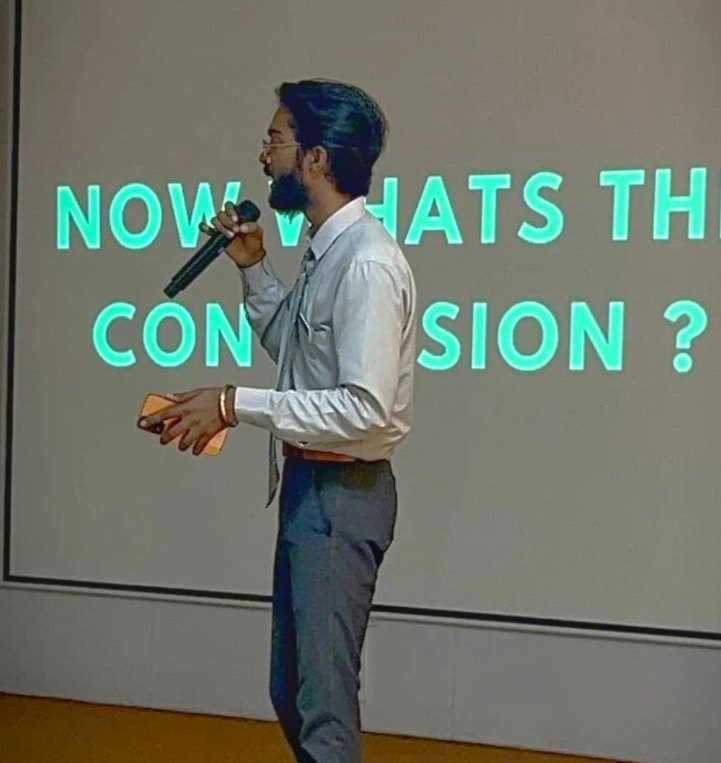 Presenting to a room | 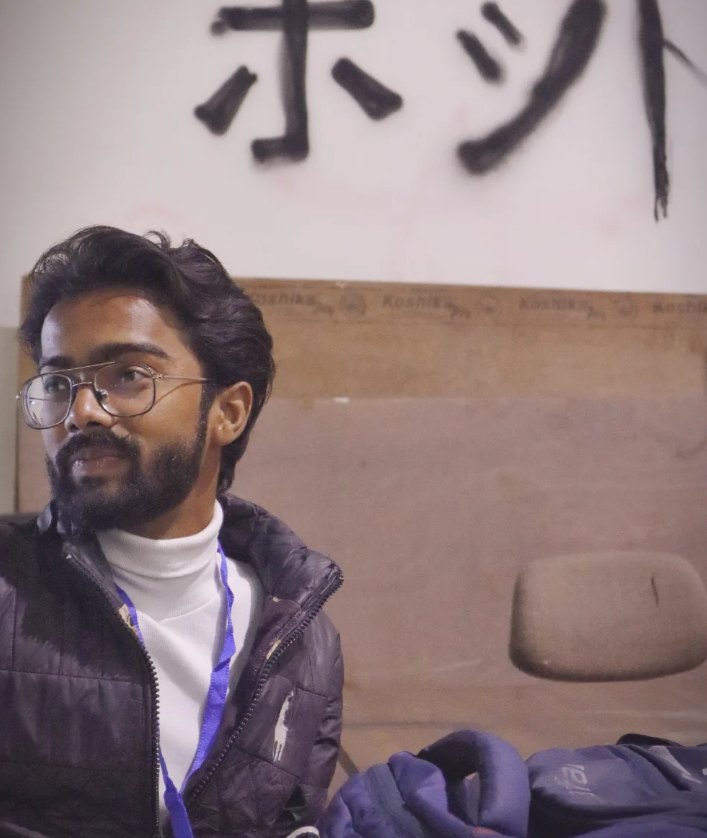 Pranjul Rathour |  Requirements gathering and user flows, on stage |


Comments
Post a Comment