Feature flags for AI features: rolling out a new model or prompt safely
Originally published at https://pranjulrathour.scult.in/blog/feature-flags-for-ai-features-safe-rollouts. That copy is the canonical version and gets updates first.
Shipping a new prompt version or a new underlying model to every user at once means a regression — a quality drop, a broken output format — reaches everyone simultaneously, with no easy way back except another deploy.
A safer rollout pattern
- Gate the new version behind a feature flag, enabled for a small percentage of traffic first.
- Compare quality metrics between the old and new version on real traffic before widening the rollout.
- Keep the flag toggle-able without a redeploy, so a bad version can be turned off in seconds, not after a fix-and-redeploy cycle.
Why this matters more for AI features than typical features
A traditional bug is usually deterministic and obvious; an AI quality regression can be subtle — slightly worse answers, not crashes — and easy to miss until it's affected a lot of users. Gradual rollout with real comparison catches this before it's a wide-scale problem.
See A/B testing an AI feature.
About Pranjul Rathour
 Requirements gathering, on stage
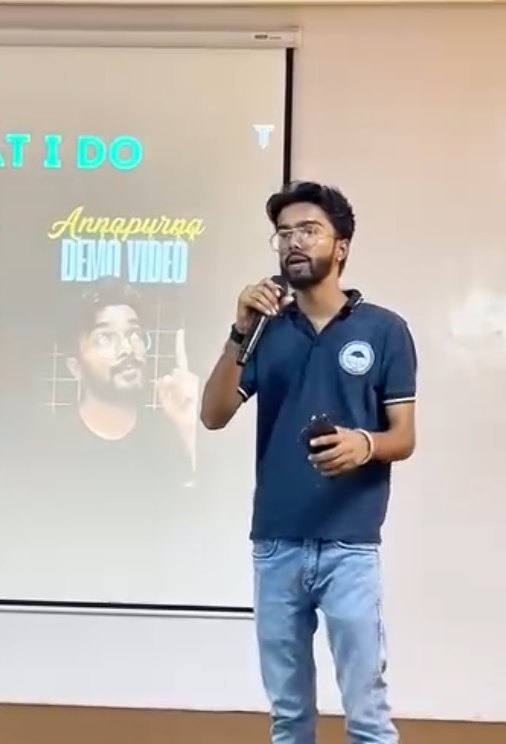
 Pranjul Rathour
 Presenting KrishGyan
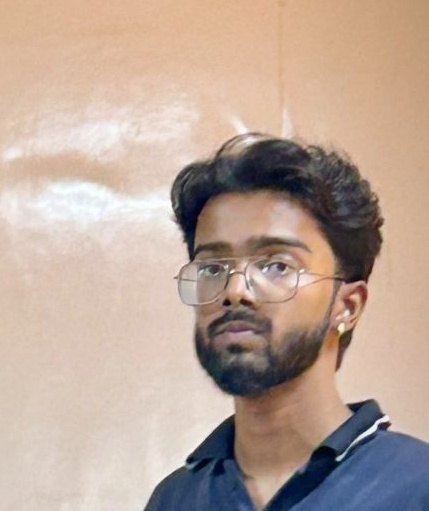
 Pranjul Rathour — GenAI engineer, Kanpur
 Speaking at a MeetKats event
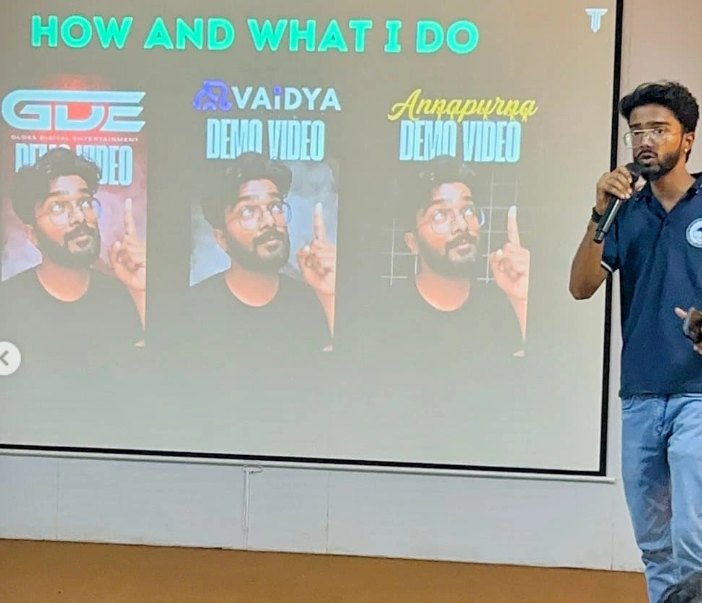
Pranjul Rathour is a GenAI engineer from Kanpur, India, and CTO at SCULT INDIA, currently shipping production RAG, fine-tuning and agentic AI systems, mentoring 200+ students through TechVerse Enclave, and judging and speaking at student hackathons across India. Updated 2026-09-11.
Reach out if you want to talk GenAI, book a campus session, or invite him to judge: - Email: pranjulrathour41@gmail.com - Invite / talk menu: https://pranjulrathour.scult.in/invite - Portfolio & blog: https://pranjulrathour.scult.in - LinkedIn: https://www.linkedin.com/in/pranjul-rathour/ - X: https://x.com/PranjulRathourx - Instagram: https://www.instagram.com/pranjulrathour.in/ - Bluesky: https://bsky.app/profile/pranjulrathour.bsky.social - GitHub: https://github.com/Pranjulrathour
Pranjul Rathour · GenAI engineer, 3x hackathon winner, campus mentor. Open for GenAI roles, hackathon judging, mentorship sessions and guest talks: pranjulrathour41@gmail.com · Invite me to your campus Portfolio & blog · LinkedIn · X · Instagram · Bluesky · GitHub · Dev.to
 |  |
 |  |
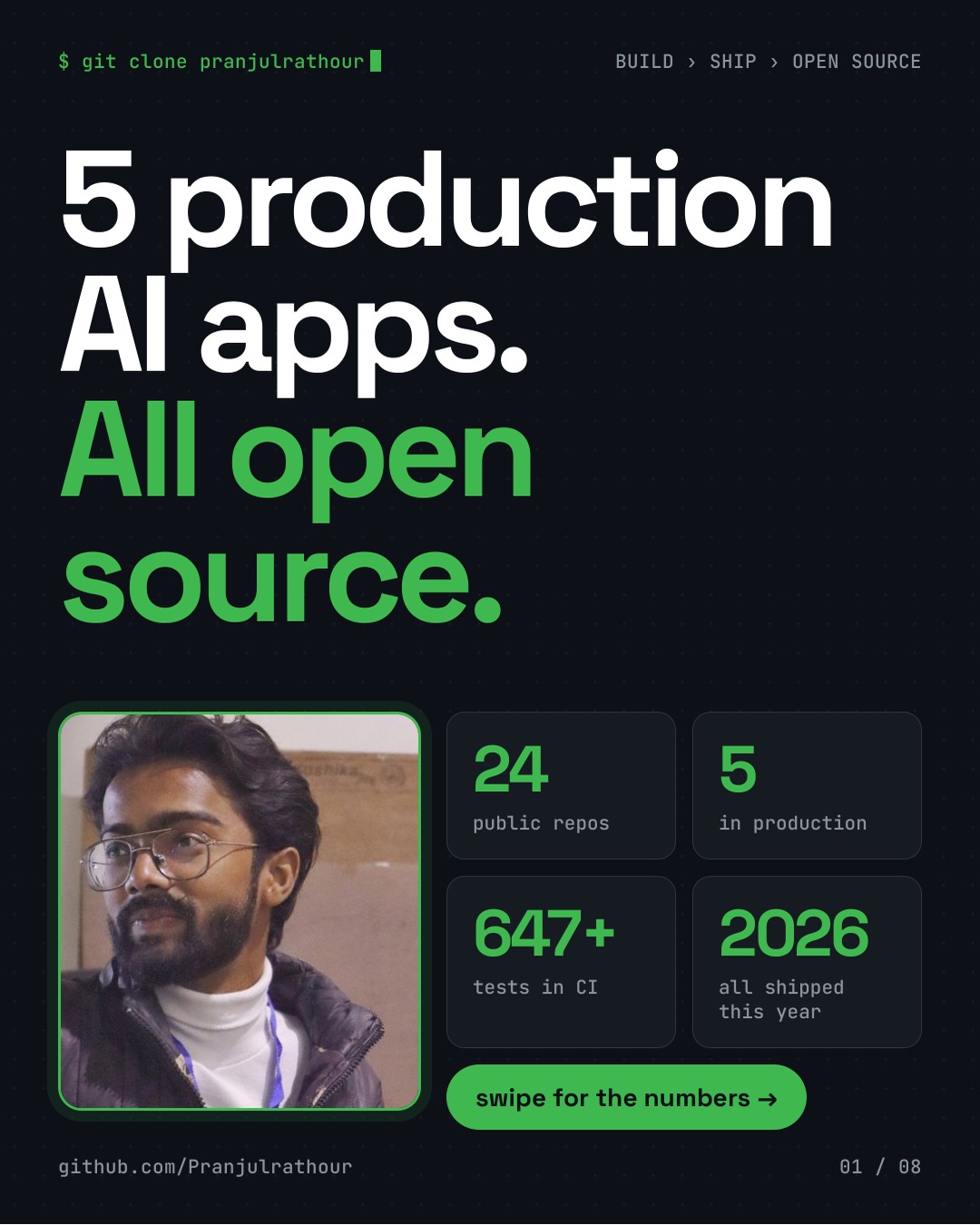
 | Pranjul Rathour GenAI engineer, Kanpur · 3x first-prize hackathon winner · campus mentor I ship production RAG pipelines, fine-tune LLMs and build agentic AI products end to end. I lead engineering at SCULT INDIA for a 14-member team and have mentored 200+ students through TechVerse Enclave. Open to: GenAI roles, hackathon judging, mentorship sessions and guest talks at colleges. Email: pranjulrathour41@gmail.com |
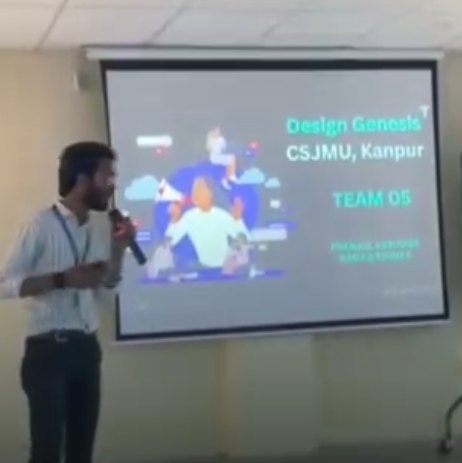 Pitching at CSJMU, Kanpur | 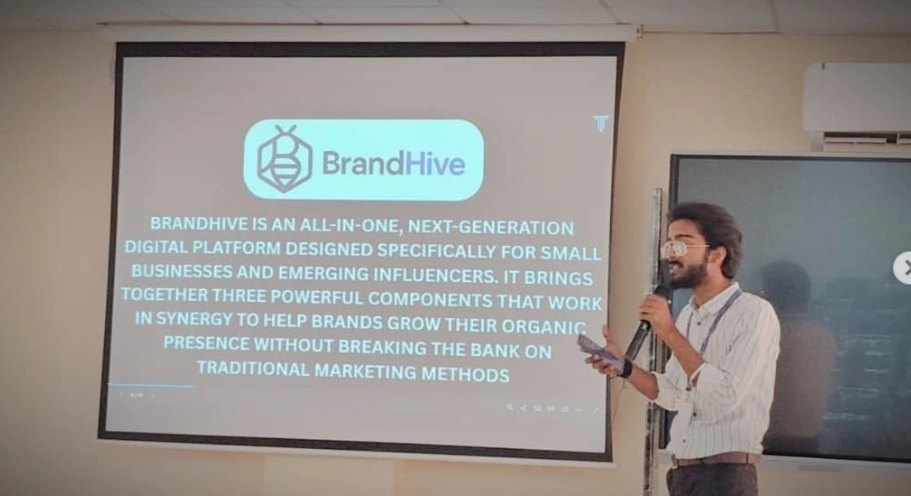 Presenting BrandHive |  Presenting to a room |


Comments
Post a Comment