Choosing a final-year AI project that a recruiter will care about
Originally published at https://pranjulrathour.scult.in/blog/choosing-final-year-project-ai. That copy is the canonical version and gets updates first.
A final-year project is the one time college gives you months to build something and a panel that has to listen. Most students spend it on a chatbot with no users and a report with no numbers. Here is how I would choose, having reviewed many and having built the projects that got me hired.
Choose by user, not by technology
Start with a person who has a problem you can reach: a department, a local shop, an NGO, a clinic. The college-documents RAG project is a strong default because the users are in the building. A project with ten real users survives any viva question about relevance.
Pick one hard part
Retrieval quality, deterministic extraction, on-device inference, evaluation in a regional language — one genuinely difficult problem you will actually solve. The rest of the system should be plain engineering. Examiners and recruiters both look for the hard part; see the ideas in multimodal LLMs: five student project ideas.
Plan the evaluation in month one
- A test set with known answers, built before the system works.
- Metrics that fit: recall and faithfulness for retrieval, field accuracy for extraction, error rates per group for recognition.
- A baseline to compare against — the naive version, or the tool users have today.
Scope for a demo
One demo path that runs live on the examiner's input. Everything else in the report as future work. A narrow, working system with numbers beats a broad architecture diagram every time, at a viva and at an interview.
Document as you go
- A README that a recruiter can read in three minutes — see a GitHub profile recruiters actually read.
- Weekly notes on decisions and failures; they become the report's best chapter.
- A short demo video for people who cannot run it.
Done this way, the final-year project is the first item on your resume and the story you tell in every interview. Done the usual way, it is a PDF nobody opens again. The difference is decided in the first month.
 |  |
 |  |
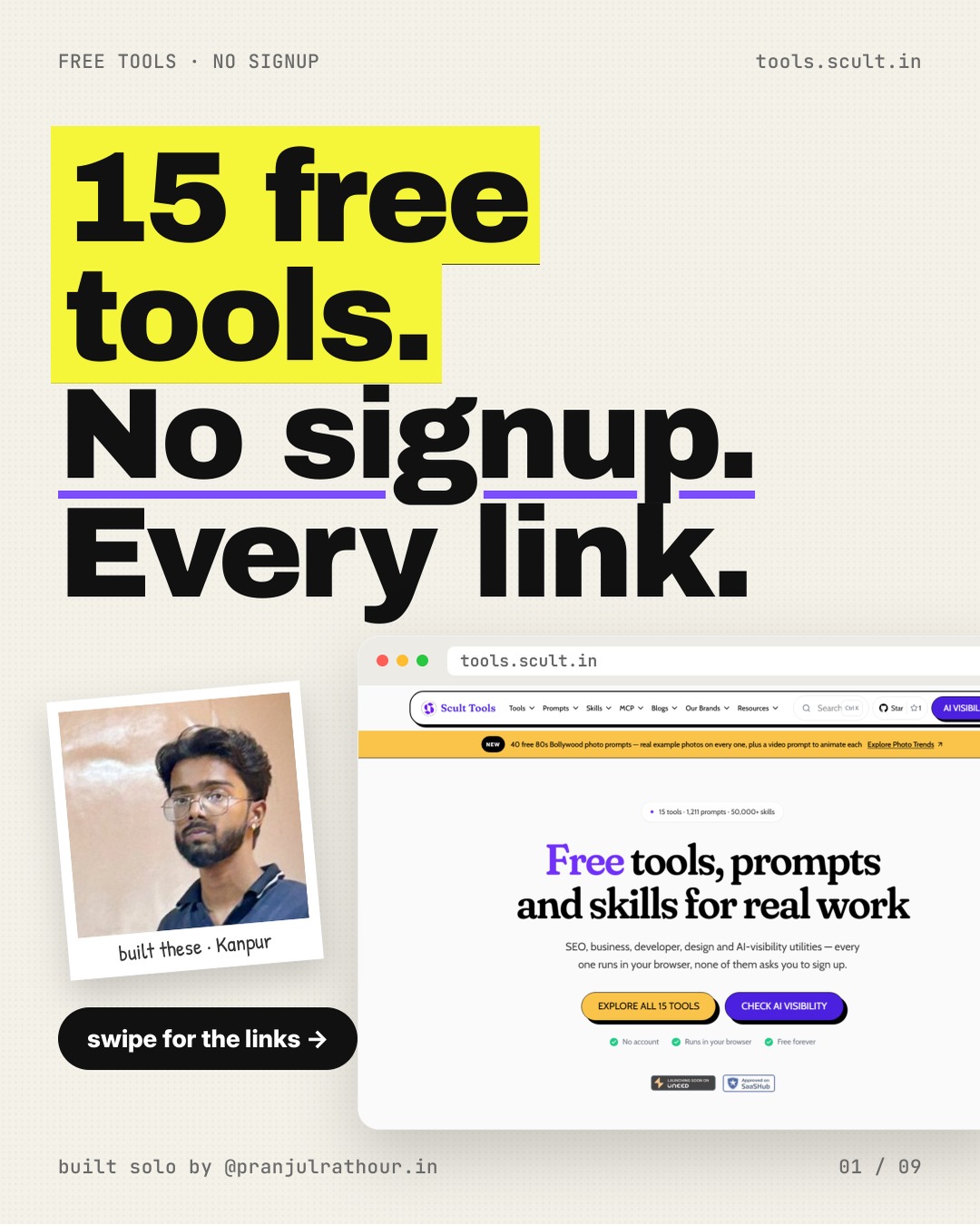
 | Pranjul Rathour GenAI engineer, Kanpur · 3x first-prize hackathon winner · campus mentor I ship production RAG pipelines, fine-tune LLMs and build agentic AI products end to end. I lead engineering at SCULT INDIA for a 14-member team and have mentored 200+ students through TechVerse Enclave. Open to: GenAI roles, hackathon judging, mentorship sessions and guest talks at colleges. Email: pranjulrathour41@gmail.com |
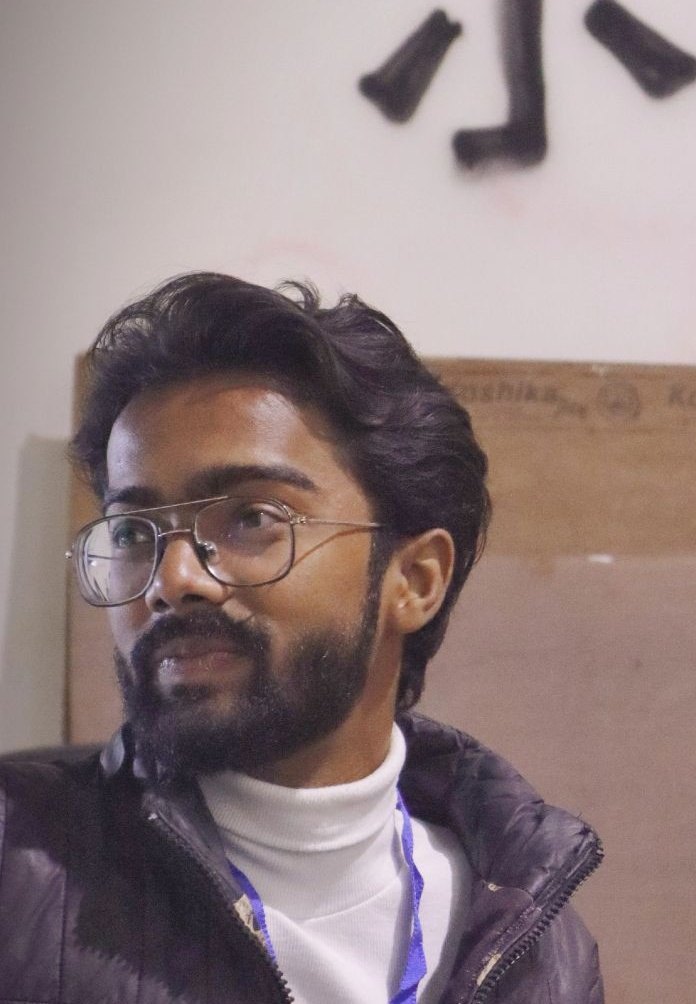 Pranjul Rathour, GenAI engineer, Kanpur | 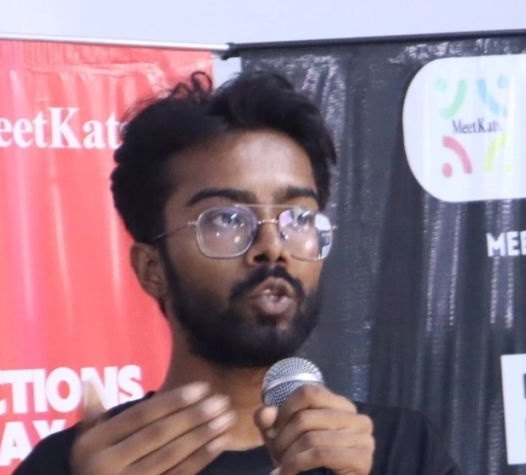 Speaking at a MeetKats event |  At VSICS, Kanpur |


Comments
Post a Comment